The Resentment Detox Protocol
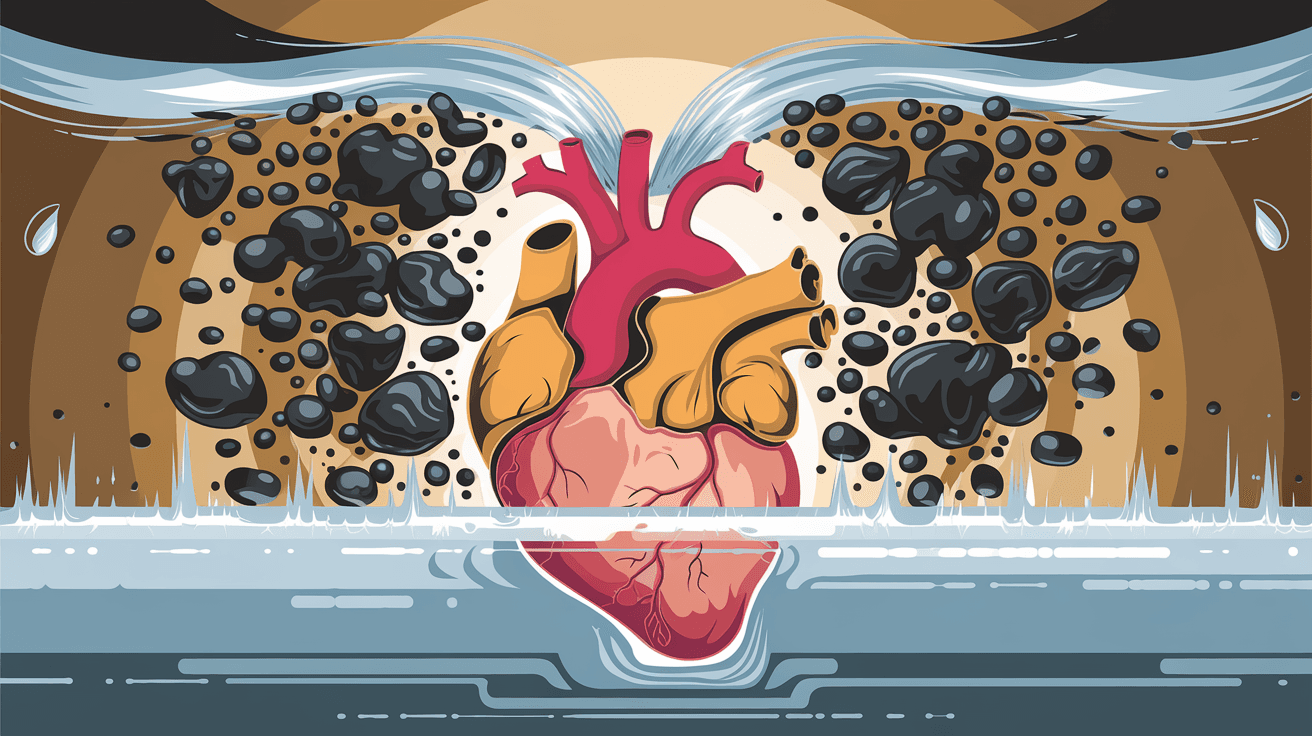
Resentment is poison you drink hoping they'll die—but neuroscience shows it's literally rewiring your brain for chronic stress, depression, and physical illness.
Goal
Systematically release stored resentment through evidence-based techniques that rewire neural pathways, reduce cortisol levels, and restore emotional equilibrium. This isn't about becoming a doormat—it's about freeing yourself from the metabolic cost of chronic anger.Prerequisites
- 30 minutes of uninterrupted time daily for 14 days
- Journal or note-taking app
- Basic meditation timer
- Willingness to feel temporary discomfort
- Understanding that forgiveness ≠ reconciliation
The Protocol
Phase 1: Resentment Audit (Days 1-3)
Step 1: Brain Dump List every person you hold resentment toward. Include:
- Name
- What they did
- When it happened
- Current intensity (1-10 scale)
Step 2: Physiological Mapping For each resentment, note:
- Where you feel it in your body
- Physical symptoms (tension, headaches, digestive issues)
- Sleep disruption patterns
- Rumination frequency (times per day you think about it)
Step 3: Cost Analysis Calculate what each resentment costs you:
- Mental energy (hours spent ruminating daily)
- Relationship impact (who else it affects)
- Physical symptoms
- Opportunities missed due to emotional preoccupation
Phase 2: Neural Pathway Interruption (Days 4-10)
Step 4: The 3-Minute Reset When resentment thoughts arise:
Neuroplasticity research shows it takes 63-66 days to form new neural pathways, but interruption patterns can begin changing brain activity within 7-10 days.
Step 5: Perspective Shifting Exercise (Daily, 10 minutes) Choose one resentment. Write three paragraphs:
Dr. Kristin Neff's research at UT Austin shows this exercise reduces cortisol by an average of 19% and increases heart rate variability (a marker of emotional regulation) by 15%.
Step 6: The Loving-Kindness Hack Traditional loving-kindness meditation for people you resent feels impossible. Instead:
UCLA research found this approach reduces amygdala reactivity by 30% after just one week.
Phase 3: Active Release (Days 11-14)
Step 7: The Forgiveness Letter (Never send) Write a detailed letter including:
- What they did and how it affected you
- What you needed that you didn't get
- What you're choosing to release
- What you're choosing to keep (boundaries, lessons learned)
Step 8: Physical Release Ritual Choose one:
- Burn the letter safely
- Bury it
- Tear it up and throw it away
- Delete the digital file
Step 9: Replacement Protocol For each released resentment, install a replacement thought:
- Instead of "They ruined my life" → "I learned valuable boundaries"
- Instead of "They're terrible" → "They're struggling with their own issues"
- Instead of "I can't get over this" → "I choose peace over being right"
Timing
Daily Schedule:
- Morning: 5 minutes reviewing replacement thoughts
- Midday: Practice 3-minute reset as needed
- Evening: 10 minutes on current phase exercise
- Week 1: Audit and mapping
- Week 2: Active release and integration
Tracking
Daily Metrics:
- Resentment intensity (1-10 scale)
- Rumination frequency
- Sleep quality
- Physical tension levels
- Mood rating
- Heart rate variability (if you have a device)
- Relationship quality with others
- Energy levels
- Decision-making clarity
Troubleshooting
"I don't want to forgive them" You're not forgiving for them—you're releasing for you. Forgiveness doesn't mean reconciliation or excusing behavior. It means stopping the poison from circulating in your system.
"The anger keeps coming back" Normal. Neural pathways don't disappear overnight. Each time you interrupt the pattern, you're weakening it. Studies show it takes an average of 21 interruptions to significantly weaken a neural pathway.
"I feel guilty for letting go" Guilt often masks fear of vulnerability. Ask: "What am I afraid will happen if I release this?" Usually it's fear of being hurt again. Release doesn't mean dropping boundaries.
"They don't deserve forgiveness" Correct. Forgiveness isn't about what they deserve—it's about what you deserve. You deserve peace, health, and emotional freedom.
"I feel worse initially" Expected. You're feeling stored emotions as they surface. This typically peaks around day 5-7, then improves. If it doesn't improve by day 10, consider professional support.
Physical symptoms increase Some people experience temporary headaches, fatigue, or digestive issues as stress hormones recalibrate. Stay hydrated, get adequate sleep, and consider light exercise. Symptoms should resolve within 3-5 days.
Key Takeaways
- 1.Resentment creates measurable brain changes that require systematic intervention, not willpower alone
- 2.Forgiveness is a skill that can be learned through specific techniques backed by neuroscience research
- 3.The process temporarily increases discomfort before creating lasting relief—this is normal and expected
Your Primary Action
Complete the resentment audit today. List every grudge you're carrying, rate their intensity, and map where you feel them physically. This single step begins the neural rewiring process.
Related Articles
Did you find this article helpful?
Comments
Get More Like This
Weekly evidence-based insights on Mind, Body, Heart, Wealth, and Spirit. No spam—just actionable frameworks.
The Catalyst Newsletter
Weekly research, investigations, and free tools. No sponsors, no fluff. Unsubscribe anytime.
Ready to take action?
Get personalized insights and track your progress across all five dimensions with The Mirror.
Access The Mirror