The 48-Hour Spending Rule: Kill Impulse Purchases
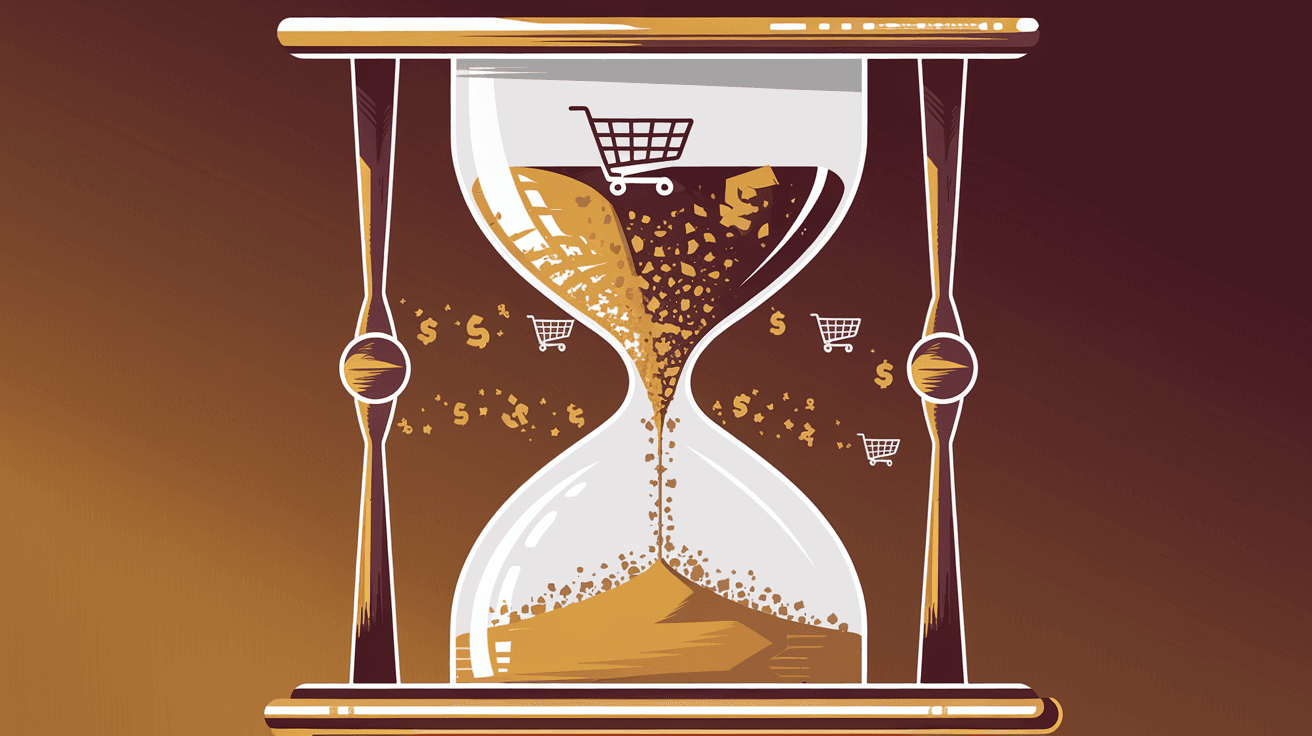
Amazon's one-click ordering has cost you more than you think—the average person makes 12 impulse purchases per month, totaling $1,986 annually on things they don't actually need.
Your brain's reward system treats spending like a drug hit, flooding you with dopamine at the moment of purchase. This neurochemical hijacking leads to buyer's remorse, financial stress, and a house full of things you forgot you bought. The 48-Hour Spending Rule exploits your brain's natural cooling-off period to separate genuine needs from emotional impulses.
Goal
Eliminate 80-90% of impulse purchases by creating a mandatory delay between wanting something and buying it, allowing your prefrontal cortex to override emotional spending triggers.Prerequisites
What You Need:
- A notes app or physical notebook
- A way to remove payment info from shopping apps
- 5 minutes to set up the system
Exclusions:
- Groceries and household essentials
- Pre-planned purchases you've budgeted for
- Time-sensitive opportunities with genuine deadlines
The Protocol
Step 1: Capture the Impulse (30 seconds) When you feel the urge to buy something, immediately open your notes app and record:
- Item name and price
- Where you found it
- Current date and time
- Why you want it (one sentence)
Step 2: Remove Immediate Purchase Ability (2 minutes)
- Close the shopping tab/app immediately
- If it's in your cart, leave it there but don't checkout
- Remove saved payment methods from impulse-prone apps (Amazon, Target, etc.)
- Uninstall shopping apps from your phone if necessary
- Add a reminder in your phone for exactly 48 hours later
- Title it: "Still want [item name]?"
- Include the price in the reminder
If any answer is "no," delete the entry and move on.
Step 5: The Final Purchase Decision If you pass the 48-hour review, you have permission to buy it. But you must:
- Go back to the exact item you originally wanted
- Confirm the price hasn't changed significantly
- Make the purchase within 24 hours or the window closes
Timing
Daily Maintenance: 1-2 minutes reviewing your impulse list Weekly Review: 10 minutes analyzing patterns in your impulse triggers Monthly Audit: Calculate money saved and reassess your $25 threshold
Peak Danger Times:
- Late evening (8pm-11pm): Cortisol drops, impulse control weakens
- Sunday afternoons: Anticipatory stress about the work week
- After stressful events: Retail therapy impulses spike
Tracking
Metrics to Monitor:
- Number of impulse entries per week
- Percentage that survive the 48-hour rule (should be 10-20%)
- Dollar amount saved monthly
- Most common impulse categories
- Total impulse entries × average price = potential spending
- Actual purchases ÷ total entries = impulse control rate
- (Potential spending - actual spending) = money saved
Troubleshooting
"But it's on sale!" Sales create artificial urgency. If it's truly a good deal, it will be on sale again. Add "sale expires [date]" to your entry and see if you still care when the sale ends.
"I keep forgetting to check my reminders" Set multiple alerts: one at 24 hours, one at 47 hours. The second one is your fail-safe.
"I'm rationalizing every purchase" Good. That's your prefrontal cortex working. Write down your rationalization. If you're reaching for weak justifications ("I might need this someday"), that's usually a no.
"I deleted my payment info but re-entered it" This is normal—you're fighting dopamine. Each time you have to re-enter payment info, you're creating friction. Studies show even 15 seconds of friction reduces impulse purchases by 41%.
"I'm buying it at 47.5 hours to 'beat the system'" You're not beating anything—you waited 47.5 hours. That's still a win. The goal isn't perfection; it's breaking the instant gratification loop.
The Amazon Cart Problem Amazon's "Save for Later" feature is designed to keep you thinking about items. Use it strategically: move impulse items there, then review after 48 hours. Most people forget about 73% of items in their "Save for Later" list within a week.
Social Pressure Purchases If friends are pressuring you to buy something immediately, say: "I have a 48-hour rule for purchases over $25. If I still want it Thursday, I'll get it." Most people respect clear boundaries.
The Compound Effect MIT research shows that people who implement purchase delays save an average of $2,400 annually. But the real benefit isn't just money—it's breaking the dopamine addiction cycle that makes you feel like you need stuff to be happy.
Advanced Tactics:
- Set up a "impulse purchase fund" with money you would have spent
- Use that fund for experiences instead of things
- Review your list monthly to identify emotional spending patterns
- Notice if certain moods, times, or situations trigger more impulses
This isn't about becoming a spending monk. It's about making conscious choices instead of dopamine-driven ones.
Key Takeaways
- 1.The average person makes 12 impulse purchases monthly, totaling nearly $2,000 annually
- 2.A 48-hour delay eliminates 80-90% of impulse purchases by allowing emotional intensity to fade
- 3.Track three metrics: impulse entries, survival rate, and money saved
Your Primary Action
Right now, remove your saved payment methods from your three most-used shopping apps and create a note titled "48-Hour Rule" in your phone.
Related Articles
Did you find this article helpful?
Comments
Get More Like This
Weekly evidence-based insights on Mind, Body, Heart, Wealth, and Spirit. No spam—just actionable frameworks.
The Catalyst Newsletter
Weekly research, investigations, and free tools. No sponsors, no fluff. Unsubscribe anytime.
Ready to take action?
Get personalized insights and track your progress across all five dimensions with The Mirror.
Access The Mirror