How to Actually Forgive Someone
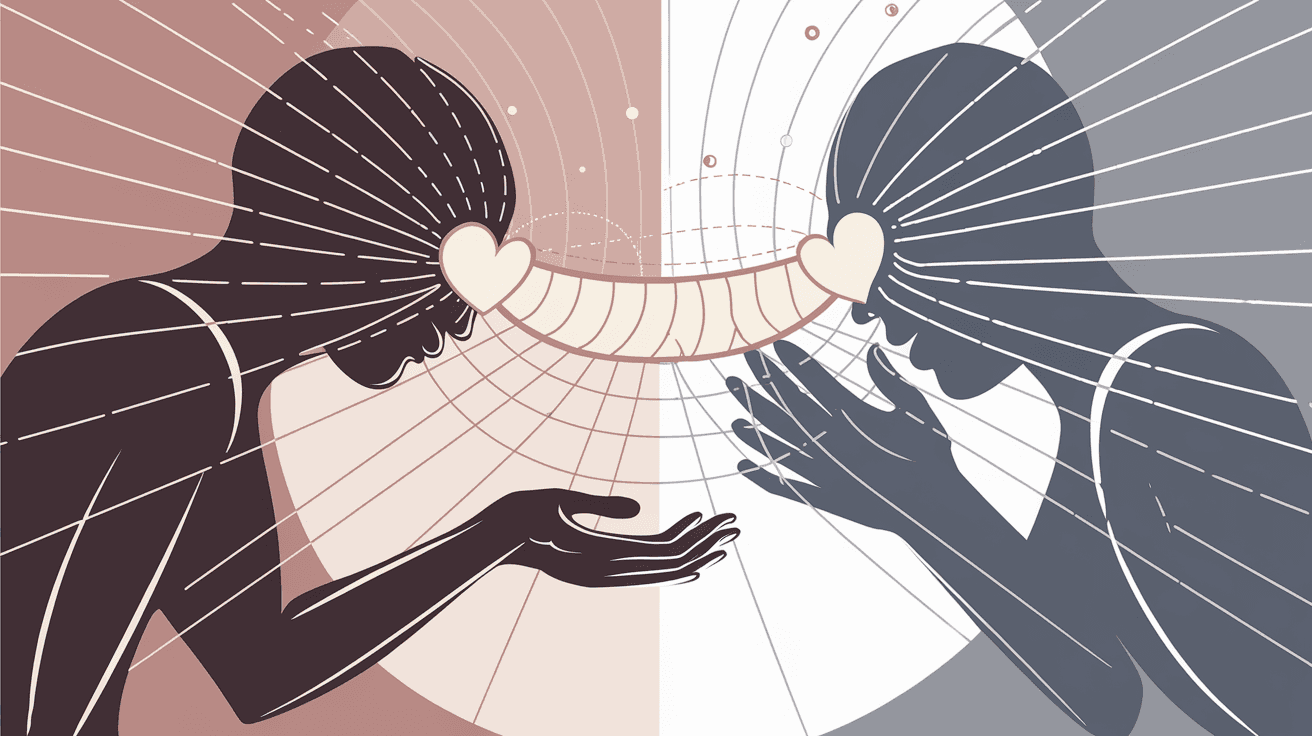
Forgiveness isn't a feeling—it's a decision you make repeatedly until your nervous system catches up.
Most people think forgiveness means "getting over it" or waiting until they feel better about someone who hurt them. This keeps them stuck in resentment cycles for years. Real forgiveness is a trainable skill with measurable neurological changes—but only if you follow the actual process instead of hoping it happens naturally.
Goal
Transform resentment into emotional neutrality through a structured neuroplasticity-based process. You'll know it's working when thinking about the person/situation no longer triggers a stress response in your body.Prerequisites
- 20-30 minutes of uninterrupted time per session
- Journal or note-taking device
- Willingness to experience temporary emotional discomfort
- Understanding that this process may take 2-8 weeks of consistent practice
The Protocol
Phase 1: Recall (Sessions 1-3)
Phase 2: Empathy (Sessions 4-6)
Phase 3: Altruistic Gift (Sessions 7-10)
Phase 4: Commitment (Ongoing)
Timing
Week 1-2: Complete Phases 1-2 (one session every 2-3 days) Week 3-4: Focus on Phase 3 (daily practice) Week 5+: Phase 4 maintenance as needed
Best times:
- Morning: When cortisol is naturally higher (better emotional processing)
- Avoid: Late evening (can disrupt sleep)
- After difficult days: When resentment resurfaces
Tracking
Physiological markers:
- Heart rate variability during recall (use HRV app)
- Sleep quality (resentment disrupts REM sleep)
- Muscle tension in trigger areas
- Daily resentment intensity rating (1-10 scale)
- Frequency of intrusive thoughts about the person/event
- Ability to wish them well (genuine, not forced)
- Can discuss the situation without emotional charge
- No longer seek validation by telling the story repeatedly
- Reduced urge to monitor their social media/life
- Week 1: Increased emotional clarity
- Week 2-3: Reduced physical tension
- Week 4-6: Decreased intrusive thoughts
- Week 6-8: Emotional neutrality
Troubleshooting
"I don't want to forgive them"
- You're not forgiving for them—you're doing it to free your nervous system
- Resentment literally rewires your brain for threat detection
- Start with "I'm willing to be willing to forgive"
- Normal. Forgiveness is like physical therapy—requires repetition
- Each time anger resurfaces, it's an opportunity to strengthen the forgiveness pathway
- Rate the intensity—it should gradually decrease over time
- Forgiveness ≠ reconciliation or trust
- You can forgive someone and still maintain boundaries
- Their consequences come from their actions, not your resentment
- Check if you're actually doing the writing exercises (thinking isn't enough)
- Ensure you're being specific about what you're forgiving
- Consider if this requires professional support for complex trauma
- Temporary emotional intensification is normal (neuroplasticity requires activation)
- If it persists beyond 24 hours, slow down the process
- Focus more on regulation (breathing, body awareness) between sessions
Key Takeaways
- 1.Forgiveness is a learnable skill that literally rewires your brain's threat detection system
- 2.The process requires active practice, not passive waiting for feelings to change
- 3.Physiological markers (HRV, sleep, muscle tension) are more reliable than emotional ones for tracking progress
Your Primary Action
Start with Phase 1 today: spend 10 minutes writing the objective story of what happened, then rate your current emotional intensity from 1-10. This baseline measurement is essential for tracking your progress through the protocol.
Related Articles
Did you find this article helpful?
Comments
Get More Like This
Weekly evidence-based insights on Mind, Body, Heart, Wealth, and Spirit. No spam—just actionable frameworks.
The Catalyst Newsletter
Weekly research, investigations, and free tools. No sponsors, no fluff. Unsubscribe anytime.
Ready to take action?
Get personalized insights and track your progress across all five dimensions with The Mirror.
Access The Mirror