How to Actually Forgive Someone
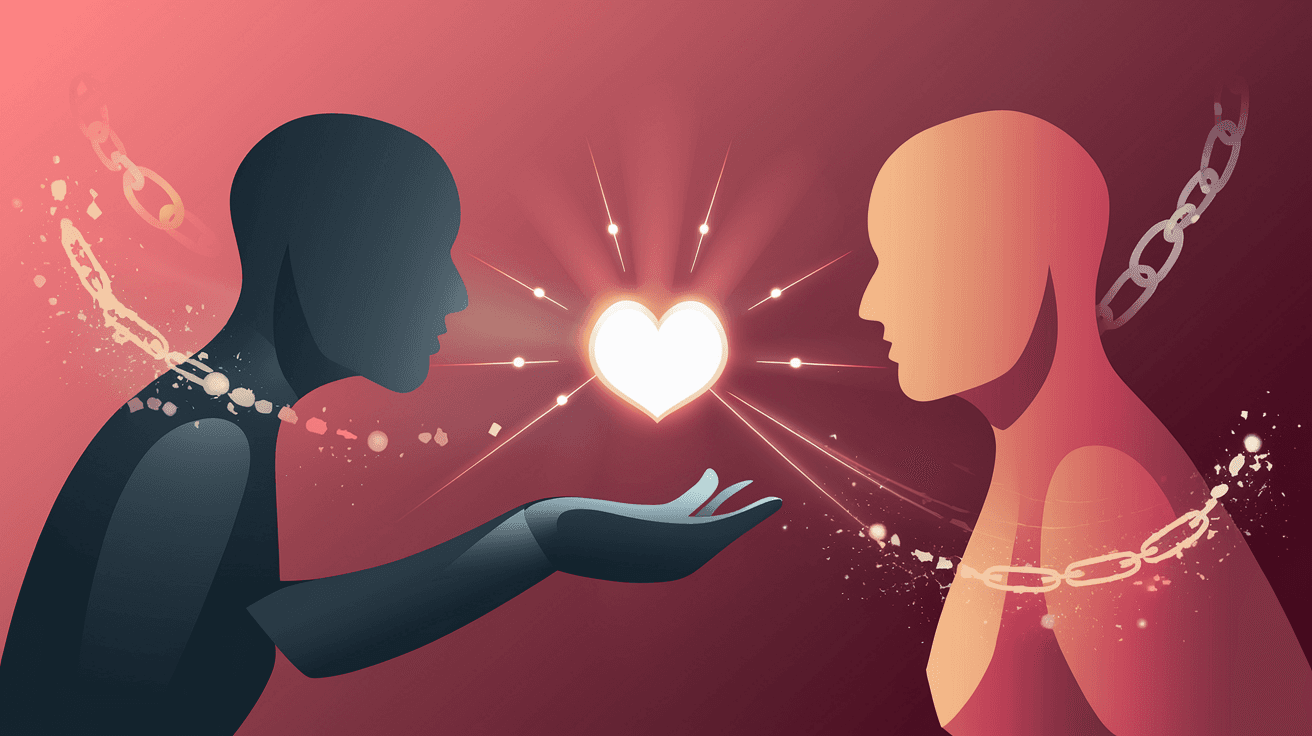
Forgiveness isn't a feeling—it's a decision you make repeatedly, and neuroscience shows your brain can learn to do it automatically.
Most people think forgiveness means "getting over it" or waiting until they feel better about what happened. This leaves them stuck in resentment for years, damaging their relationships and mental health while waiting for emotions that may never come naturally.
Goal
Transform resentment into emotional neutrality using the scientifically-validated REACH model, allowing you to move forward without carrying psychological baggage that impairs your wellbeing and relationships.Prerequisites
- Realistic expectations: Forgiveness ≠ reconciliation, forgetting, or excusing behavior
- Safety first: If you're in an abusive situation, prioritize your safety over forgiveness
- Time commitment: 15-30 minutes daily for 2-4 weeks
- Journal or notes app: You'll need to write things down
- Basic emotional regulation: Ability to sit with discomfort for short periods
The Protocol
Phase 1: Recall (Days 1-3)
Phase 2: Empathy (Days 4-8)
Phase 3: Altruistic Gift (Days 9-12)
Phase 4: Commitment (Days 13-16)
Phase 5: Hold (Ongoing)
Timing
- Optimal time: Morning, when cortisol is naturally higher and you can process emotions more effectively
- Phase duration: Allow 2-4 weeks total, but don't rush
- Frequency: Daily practice during active phases, then weekly maintenance
- Session length: 10-30 minutes depending on the exercise
Tracking
Daily metrics:- Resentment intensity (1-10 scale)
- Physical tension in body (1-10 scale)
- Sleep quality (1-10 scale)
- Intrusive thoughts about the incident (frequency per day)
- Overall mood improvement
- Relationship quality with others
- Stress levels
- Physical symptoms (headaches, stomach issues, etc.)
- Resentment drops below 4/10 consistently
- Can think about the person without physical tension
- Stopped seeking updates about their life for revenge satisfaction
- Improved sleep and mood
Troubleshooting
"I don't feel forgiving yet"
- Forgiveness is a decision, not a feeling
- Feelings follow decisions, often with a 2-4 week delay
- Continue the protocol even when emotions lag
- Forgiveness isn't about what they deserve
- It's about freeing yourself from carrying their actions in your body
- You're not excusing their behavior
- This is normal—resentment has neural pathways that take time to weaken
- Each time you choose forgiveness, you strengthen new pathways
- Use your prepared responses from step 13
- Forgiveness ≠ trust or reconciliation
- You can forgive and still maintain boundaries
- Protect yourself while releasing resentment
- Some people feel disloyal to themselves when forgiving
- Remember: you're not betraying your values, you're honoring your wellbeing
- Forgiveness doesn't mean the hurt wasn't real
Key Takeaways
- 1.Forgiveness is a decision-based skill that can be learned through specific protocols, not a feeling you wait for
- 2.The REACH model (Recall, Empathy, Altruistic gift, Commitment, Hold) has 70-80% effectiveness in clinical trials
- 3.Forgiveness benefits your physical health by reducing cortisol, improving sleep, and lowering blood pressure—regardless of whether the other person changes
Your Primary Action
Write down exactly what happened in 300-500 words today, focusing only on facts and your emotional responses—this begins the Recall phase and starts rewiring your brain's response to the incident.
Related Articles
Did you find this article helpful?
Comments
Get More Like This
Weekly evidence-based insights on Mind, Body, Heart, Wealth, and Spirit. No spam—just actionable frameworks.
The Catalyst Newsletter
Weekly research, investigations, and free tools. No sponsors, no fluff. Unsubscribe anytime.
Ready to take action?
Get personalized insights and track your progress across all five dimensions with The Mirror.
Access The Mirror